

How to Wash Cloth Nappies Properly: A Simple, Evidence-Based Guide

Washing cloth nappies is often the part that feels most overwhelming for parents. There is a lot of conflicting advice online, which can make reusable nappies seem more complicated than they need to be.
In reality, an effective cloth nappy wash routine is built on a few clear principles: correct storage, regular washing, the use of an effective detergent, and drying materials in a way that supports longevity.
This guide explains how to wash cloth nappies properly using evidence-based principles that support hygiene, absorbency and long-term durability.
Why Proper Washing Matters
Cloth nappies are designed to absorb moisture and be reused many times. To keep them working effectively, they must be cleaned thoroughly so that waste, oils and residue are removed from the fibres.
An ineffective washing routine can lead to lingering smells, reduced absorbency, ammonia buildup, skin irritation and premature wear. A consistent, well-balanced routine protects both your nappies and your baby’s skin.
How Often Should Cloth Nappies Be Washed?
Most families find that washing cloth nappies every two to three days works well.
Washing too infrequently can allow ammonia and bacteria to build up, while washing too often is generally unnecessary. A predictable schedule supports hygiene without creating extra workload.
Storing Nappies Between Washes
A practical storage setup plays a key role in wash success.
Used nappies should be stored in:
- A dry pail, or
- An airy basket

Airflow is important. Storing nappies dry allows moisture to evaporate, which helps reduce odours and ammonia formation.
Avoid soaking nappies between washes.
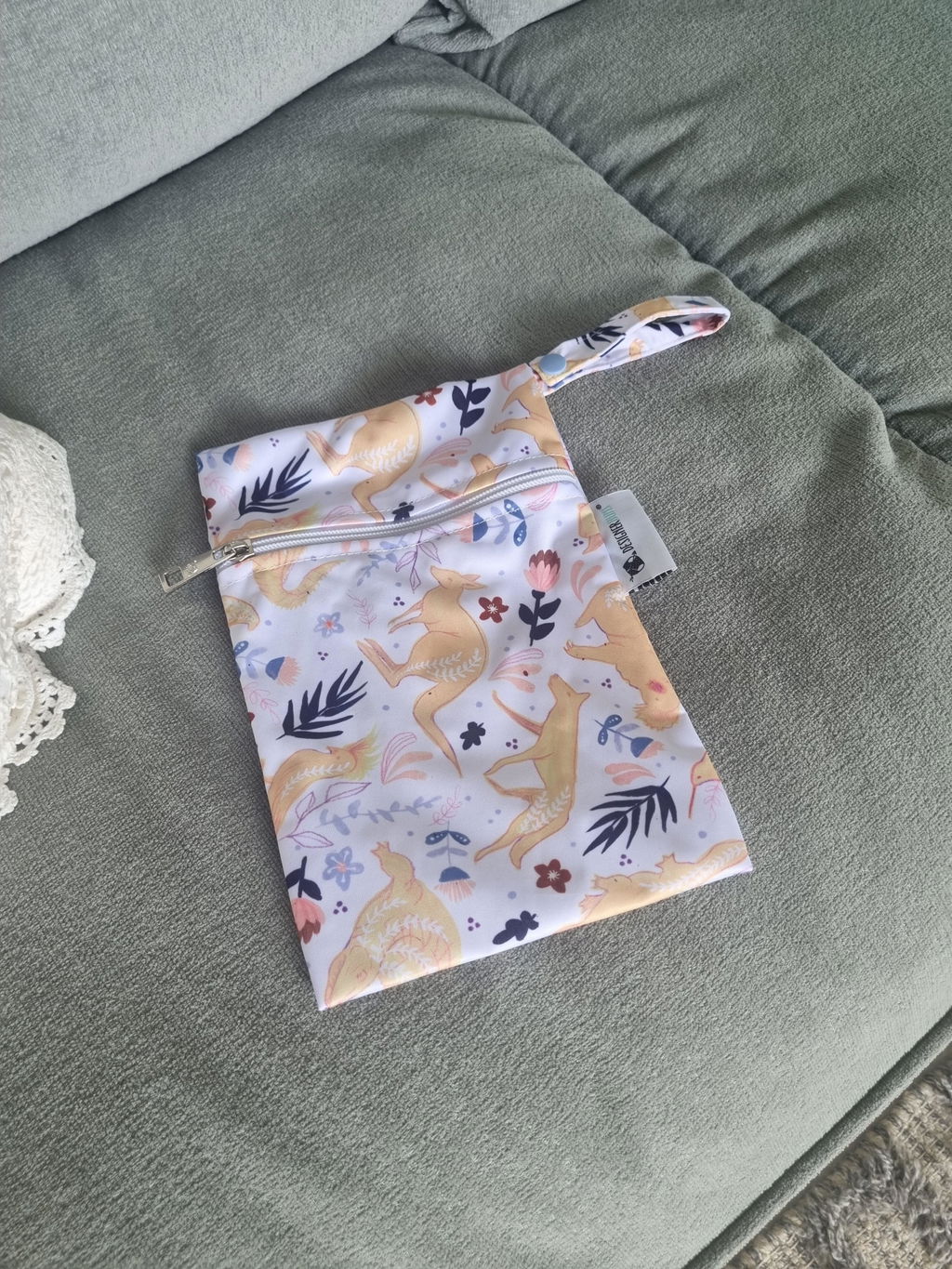
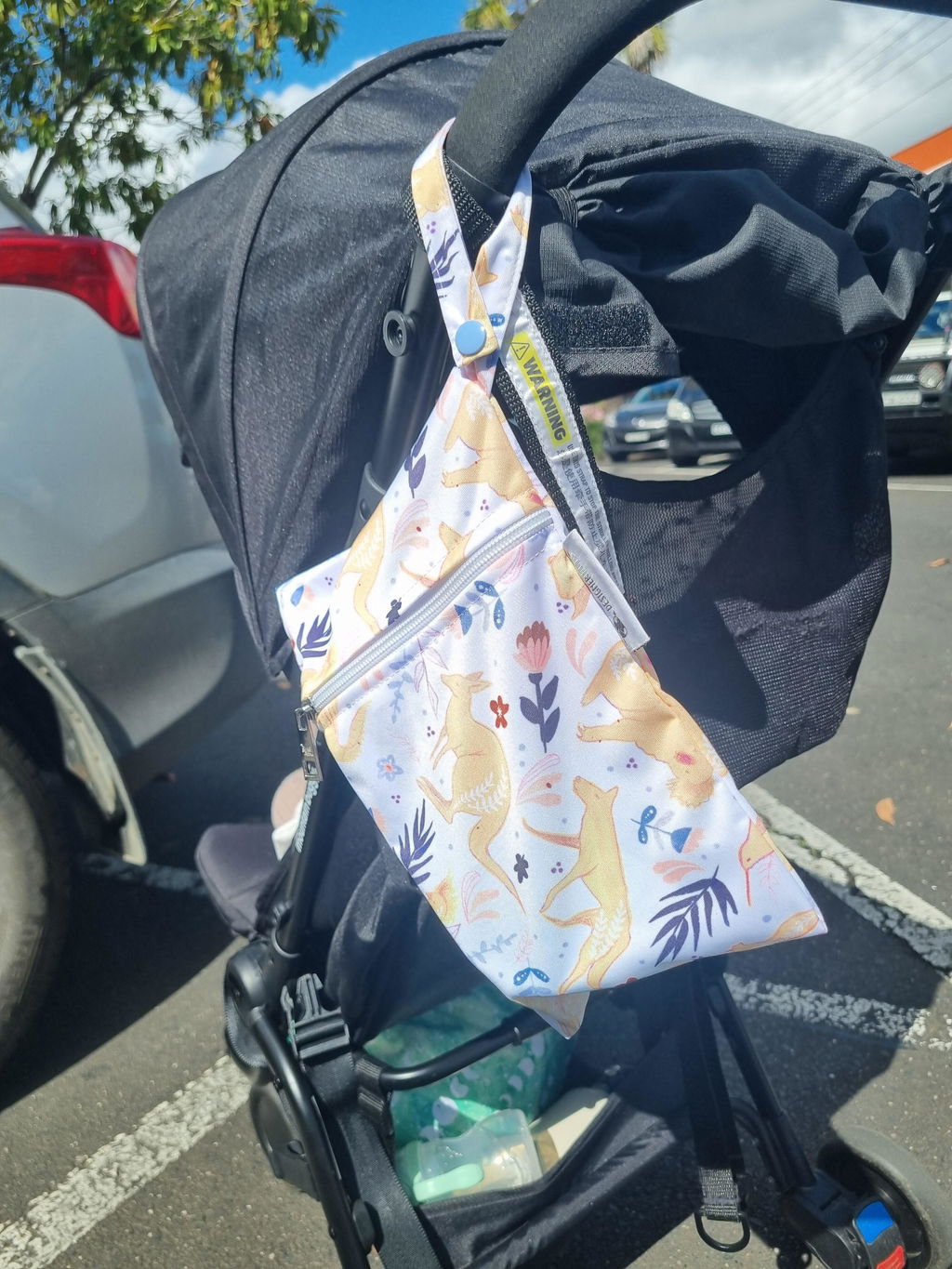
When out and about, wet bags are useful for transporting used nappies. Once home, nappies should be removed from the wet bag and placed into the dry pail until washing.
If there are solid poos, remove the solids into the toilet before storing and washing.
A Simple Two-Step Wash Routine
A two-step wash routine is widely recommended for reusable nappies because it cleans more effectively than a single cycle.
Step One: Pre Wash
The pre wash removes the bulk of soiling from nappies.
A pre wash is typically:
- Shorter in length
- Uses a smaller detergent dose
- Run in warm or hot water according to care instructions
Once the pre wash is complete, nappies should be placed into a clean, dry pail until the main wash. This pail is separate from the one used for soiled nappies.
This step prevents waste from being redistributed through the main wash.
Step Two: Main Wash
The main wash provides a deep clean.
A main wash is typically:
- Longer
- Uses a full detergent dose
- Has sufficient agitation
- Run in warm or hot water according to care instructions
Adding other small items such as baby clothes or cloth wipes can help create an effective load size, improving agitation and cleaning results.
Washing Temperatures Explained
Washing temperature plays an important role in cleaning effectiveness and ammonia prevention.
A commonly used approach is:
- Pre wash at 60°C, which helps break down waste and reduce ammonia
- Main wash at 40°C, which provides a thorough clean with sufficient agitation
Some families prefer to swap this around, using a 40°C pre wash and a 60°C main wash, depending on their washing machine, detergent and routine.
Both approaches can be effective when:
- An enzyme-based detergent is used
- Wash loads are appropriately sized
- Nappies are washed regularly
Always follow the care instructions for your specific nappies and inserts, and adjust your routine if you notice lingering odours or reduced absorbency.
Choosing the Right Detergent
A suitable detergent is essential for washing cloth nappies effectively.
An effective detergent:
- Removes waste and oils
- Contains enzymes to help break down organic matter
- Rinses clean
- Suits your washing machine and water conditions
Enzymes are widely recognised in laundry science for their role in breaking down proteins, fats and carbohydrates, making them particularly effective for cleaning heavily soiled items like nappies.
Using too little detergent can lead to buildup and smells. Using too much can cause residue. Following detergent guidelines and adjusting for load size helps maintain balance.
Drying Cloth Nappies Correctly
Drying times vary depending on materials.
- PUL shells dry relatively quickly when line dried or air dried
- Bamboo inserts are thicker and highly absorbent, so they take longer to dry
For Designer Bums nappies:
- PUL shells can be line dried but should be dried out of direct sunlight to help protect elastics
- Bamboo inserts may require extended drying time
Tumble drying may be used for inserts where care instructions allow. Low heat is gentler than high heat and can be helpful during colder or wetter weather.
Always follow care instructions to protect elastics, fabrics and waterproof layers.
Habits That Support Long-Term Performance
Simple habits have a significant impact over time:
- Washing every two to three days
- Using an effective two-step wash routine
- Washing at appropriate temperatures
- Using an enzyme-based detergent
- Avoiding fabric softeners
- Allowing inserts to dry fully before reuse
- Drying PUL shells out of direct sunlight
Premium cloth nappies are designed to withstand frequent washing, but correct care supports longevity and consistent performance.
New to Reusable Cloth Nappies?
Washing cloth nappies properly does not need to be complicated. With a practical storage setup, a consistent two-step wash routine, suitable washing temperatures, an effective detergent and appropriate drying methods, cloth nappies can be kept clean and performing well long term.
Understanding how different materials behave, particularly thick bamboo inserts and quick-drying PUL shells, helps families build a routine that feels manageable, hygienic and sustainable.