

How Many Cloth Nappies Do You Really Need? A Practical Guide for Parents

One of the most common questions parents ask when considering cloth nappies is how many they actually need. The answer often feels confusing because advice can vary widely depending on washing routines, lifestyle and personal preference.
The good news is that cloth nappies do not have to be an all or nothing choice. Whether you want to use cloth full time, part time or just at home, understanding how nappies work within your routine makes it much easier to build a stash that feels manageable and realistic.
This guide breaks down how many cloth nappies you really need, based on different usage styles and practical day to day considerations.
What Affects How Many Cloth Nappies You Need?
There is no single number that suits every family. Several factors influence how many nappies you will need in rotation.
These include:
- How often you plan to wash
- Whether cloth is used full time or part time
- Your baby’s age and how frequently they need changing
- How quickly nappies dry in your climate
Understanding these factors helps parents avoid overbuying or feeling underprepared.
Full Time Cloth Nappy Use
Families who use cloth nappies for every nappy change generally need a larger stash to allow time for washing and drying.
For full time use, most parents find that:
- 24 cloth nappies is considered a functional full time stash
- 28 to 36 nappies provides extra flexibility and breathing room
A larger stash allows:
- Washing every two to three days
- Less pressure to rush loads through
- Backups for illness, travel or wet weather
This approach is particularly helpful for families who prefer line drying or have limited drying space.
Part Time or Flexible Cloth Use
Many families choose to use cloth nappies at home and disposables when out, overnight or during the early newborn stage.
For part time use, a smaller stash works well.
A typical part time setup includes:
- 12 to 18 cloth nappies
- Washing every two to three days
This option allows parents to:
- Build confidence with cloth
- Reduce disposable use without pressure
- Expand their stash later if desired
Cloth nappies work well as a flexible solution that can adapt as routines change.
Newborns vs Older Babies
Newborns generally require more frequent nappy changes, while older babies and toddlers tend to need fewer changes per day.
As a guide:
- Newborns may need 10 to 12 changes per day
- Older babies may need 6 to 8 changes per day
This means stash size can sometimes be adjusted as babies grow. One reason many parents choose one size fits most nappies is the ability to continue using the same nappies as needs change.
Washing Frequency and Drying Time
How often you wash plays a big role in how many nappies you need.
Families who wash:
- Every two days can manage with fewer nappies
- Every three days often prefer a slightly larger stash
Drying time also matters. In warmer climates where nappies dry quickly, smaller stashes can work well. In cooler or wetter climates, extra nappies provide flexibility.
Building Your Stash Gradually
One of the biggest advantages of cloth nappies is that you do not need to buy everything at once.
Many parents choose to:
- Start with a small number
- Test fit and absorbency
- Add more nappies over time
This approach reduces overwhelm and allows families to find what works best for their routine.
Supporting Products That Help Reduce Stash Size
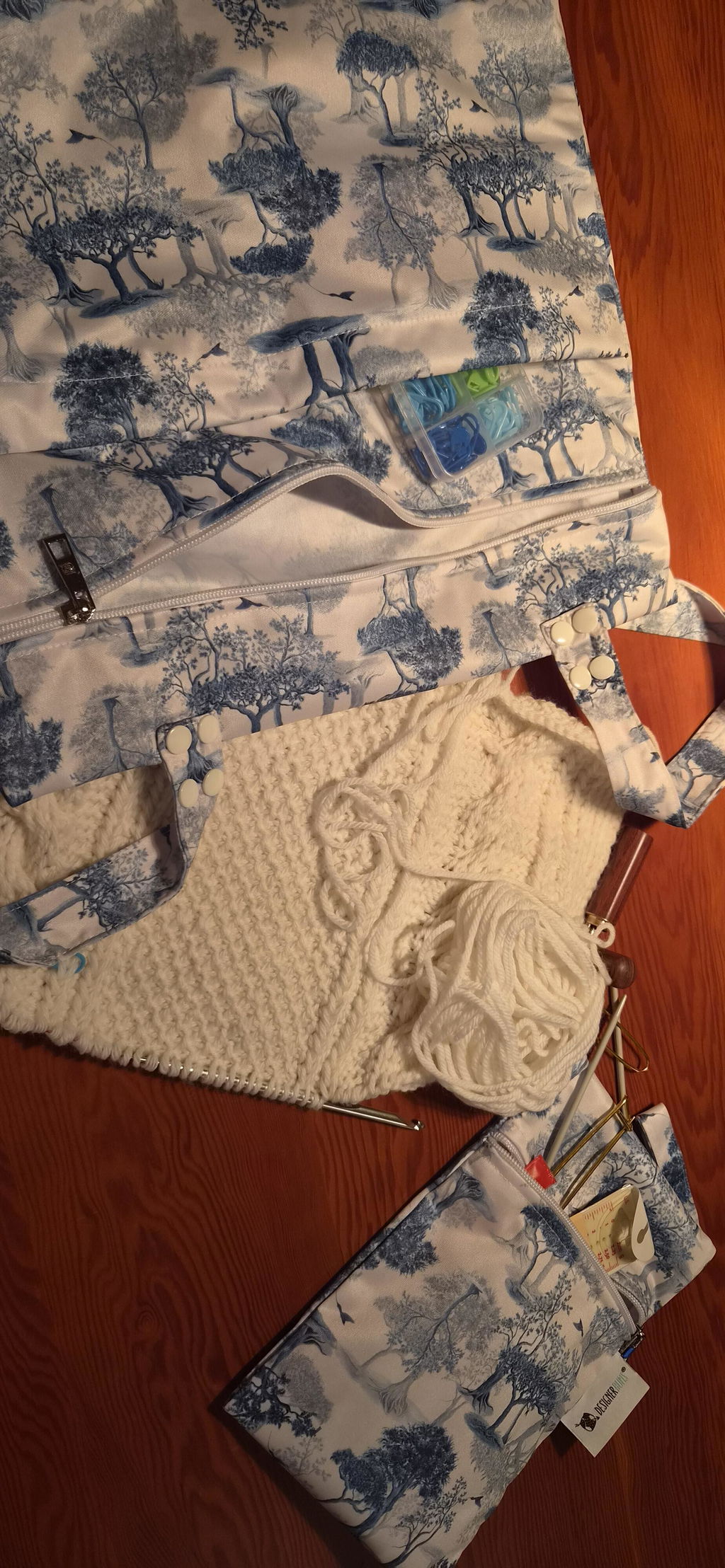
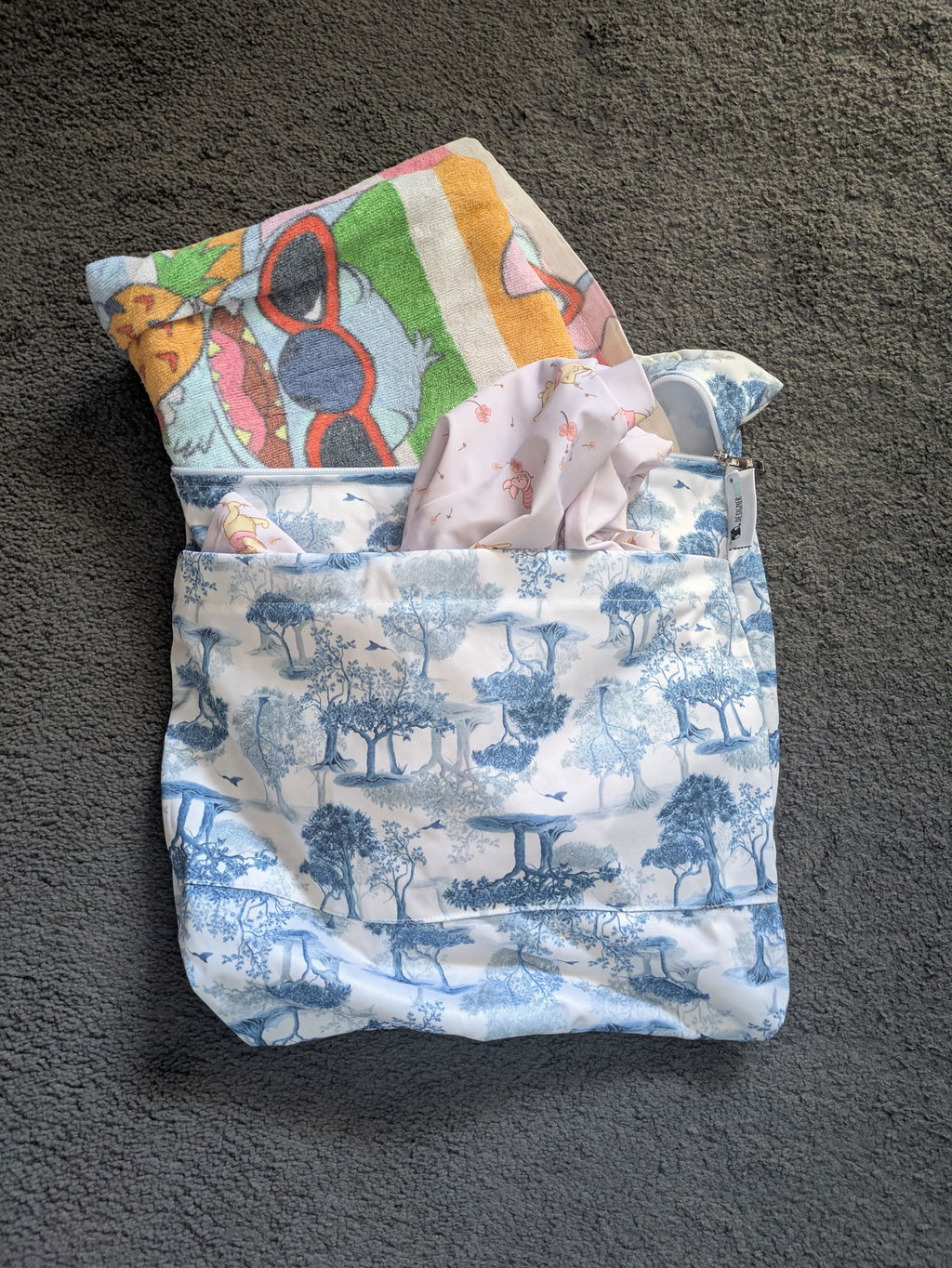
Accessories such as wet bags and cloth wipes (coming soon) can make cloth nappies easier to manage and help streamline washing routines.
The number of cloth nappies you need depends on how you plan to use them. For full time cloth use, most families are comfortable with 24 to 36 nappies. For part time use, 12 to 18 nappies is often enough.
Cloth nappies are flexible by nature. Starting small and building over time allows parents to find a routine that feels realistic and sustainable.