

The Environmental Impact of Disposable Baby Products in Australia and How Reusables Help

Disposable baby and personal care products are designed for convenience, but their environmental footprint lasts far longer than the short time they are used. In Australia, everyday items like disposable wipes, nappies and absorbent hygiene products contribute significantly to landfill, plastic pollution and pressure on water and waste systems.
As awareness of sustainability grows, families are increasingly looking for local, credible facts to understand the real impact of everyday disposable products.
This article explores the environmental impact of disposable baby and personal care products in Australia and explains how reusable alternatives help reduce waste over time.
Fast Facts: Australia’s Disposable Waste Reality
-
CSIRO reports 1.5 billion disposable nappies go to landfill in Australia each year¹
- Disposable nappies can take up to 500 years to break down in landfill¹
-
Sydney Water reports non-flushable wet wipes contribute to 75% of wastewater blockages in its service area²
-
East Gippsland Water reports around 95% of sewer blockages they manage are directly related to wipes³
- Clean Up Australia estimates a single menstruator uses 5,000 to 15,000 pads and tampons over a lifetime⁴
-
Clean Up Australia states 90% of conventional pads contain plastic, which may take 300 to 500 years to decompose in landfill⁴
Together, these figures show how everyday disposable products create a significant and long-lasting waste problem in Australia.
Disposable Wipes: A Bigger Environmental Issue Than Most People Realise
Disposable wipes are used multiple times a day in many households and are often treated as harmless. In reality, they create significant environmental and infrastructure challenges.
Wipes and sewer blockages
Australian water authorities consistently identify wet wipes as a major cause of sewer blockages. Sydney Water states non-flushable wipes contribute to 75% of wastewater blockages in its network². East Gippsland Water reports around 95% of the blockages they manage are directly related to wipes³.
Blockages increase the risk of sewer overflows and require resource-intensive maintenance and clean-up.
Wipes and plastic pollution
Many disposable wipes contain plastic-based fibres such as polyester or polypropylene. Even when labelled biodegradable, these materials may persist in the environment and contribute to microplastic pollution once discarded.
Disposable Period and Absorbent Hygiene Products in Australia
Disposable period products represent a long-term and often overlooked waste stream.
Clean Up Australia estimates that over a lifetime, one person will use between 5,000 and 15,000 disposable pads and tampons, with the majority ending up in landfill⁴. They also note that 90% of conventional pads contain plastic, contributing to long-lasting waste that may take hundreds of years to decompose⁴.
This category highlights how single-use products, used monthly across decades, can create substantial environmental impact over time.
Where Nursing Pads Fit
Disposable nursing pads are also single-use absorbent hygiene products, typically made with plastic backings or synthetic layers to prevent leaks. While there is limited public reporting that isolates nursing pads as a standalone category, they sit within the broader group of disposable absorbent products that contribute to landfill and plastic waste.
Reusable nursing pads provide the same everyday function while significantly reducing single-use waste during the breastfeeding period.
Disposable Nappies in Australia
Disposable nappies remain a major contributor to landfill during the early childhood years. CSIRO reports 1.5 billion disposable nappies are sent to landfill in Australia each year¹, with decomposition taking up to 500 years¹.
However, nappies are only one part of the broader picture. Products used daily across many stages of life, such as disposable wipes and absorbent hygiene products, also contribute significantly to household waste and long-term environmental impact.
How Reusables Reduce Environmental Impact
Reusable products reduce environmental impact by replacing thousands of single-use items with a smaller number of durable products that can be washed and reused over time.
This helps to:
-
Lower landfill waste volume
-
Reduce plastic entering waste streams
-
Decrease packaging waste
-
Reduce demand for ongoing manufacturing
Reusable Swaps That Make a Meaningful Difference
Reusable products tend to have the greatest impact when they replace items used frequently.
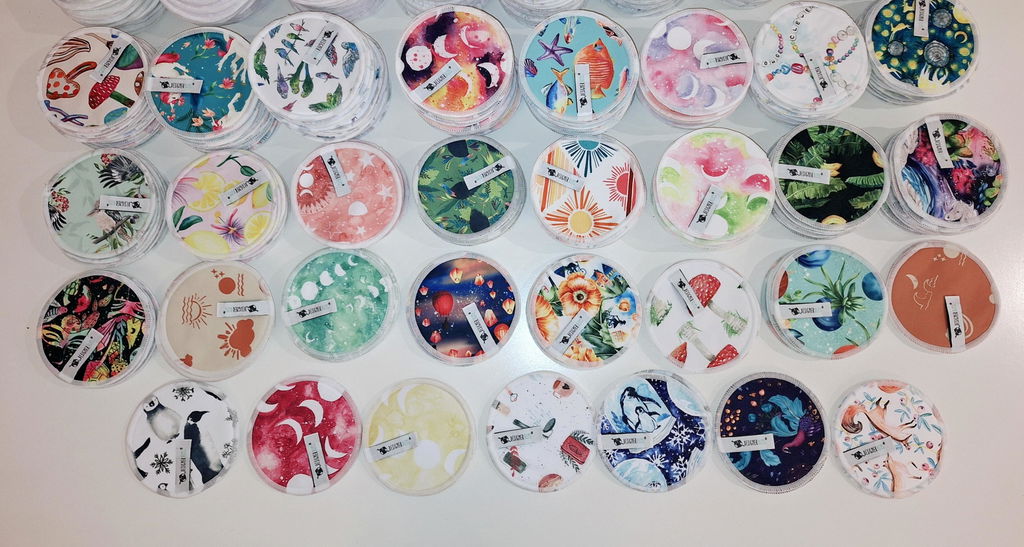
Cloth wipes
Reusable cloth wipes used with water can replace large volumes of disposable wipes and help reduce reliance on products linked to sewer blockages and plastic pollution.
Reusable cloth pads
Reusable cloth pads replace items used monthly across decades, addressing one of the most persistent absorbent hygiene waste streams identified in Australia⁴.
Reusable nursing pads
Reusable nursing pads reduce single-use absorbent waste during breastfeeding and can be washed and reused as part of a normal laundry routine.
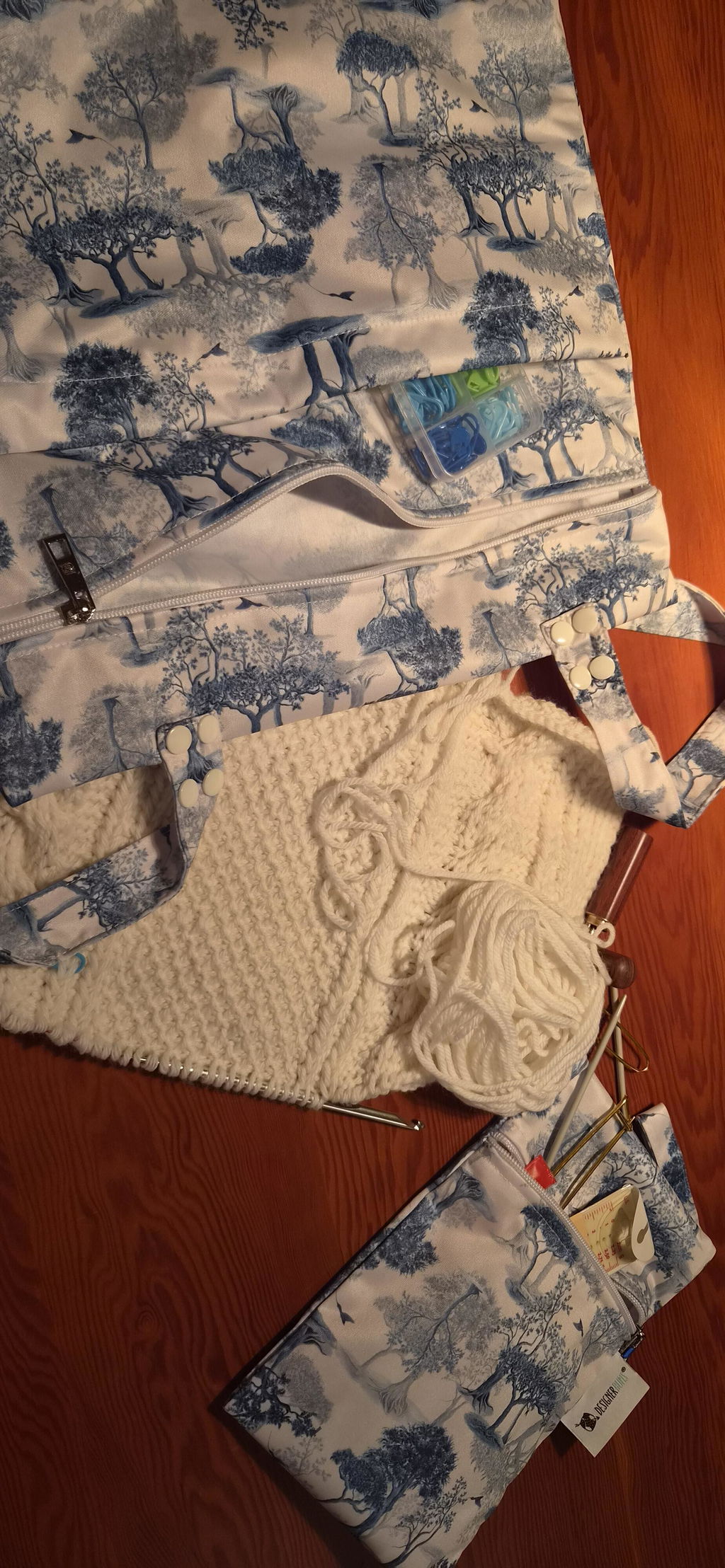
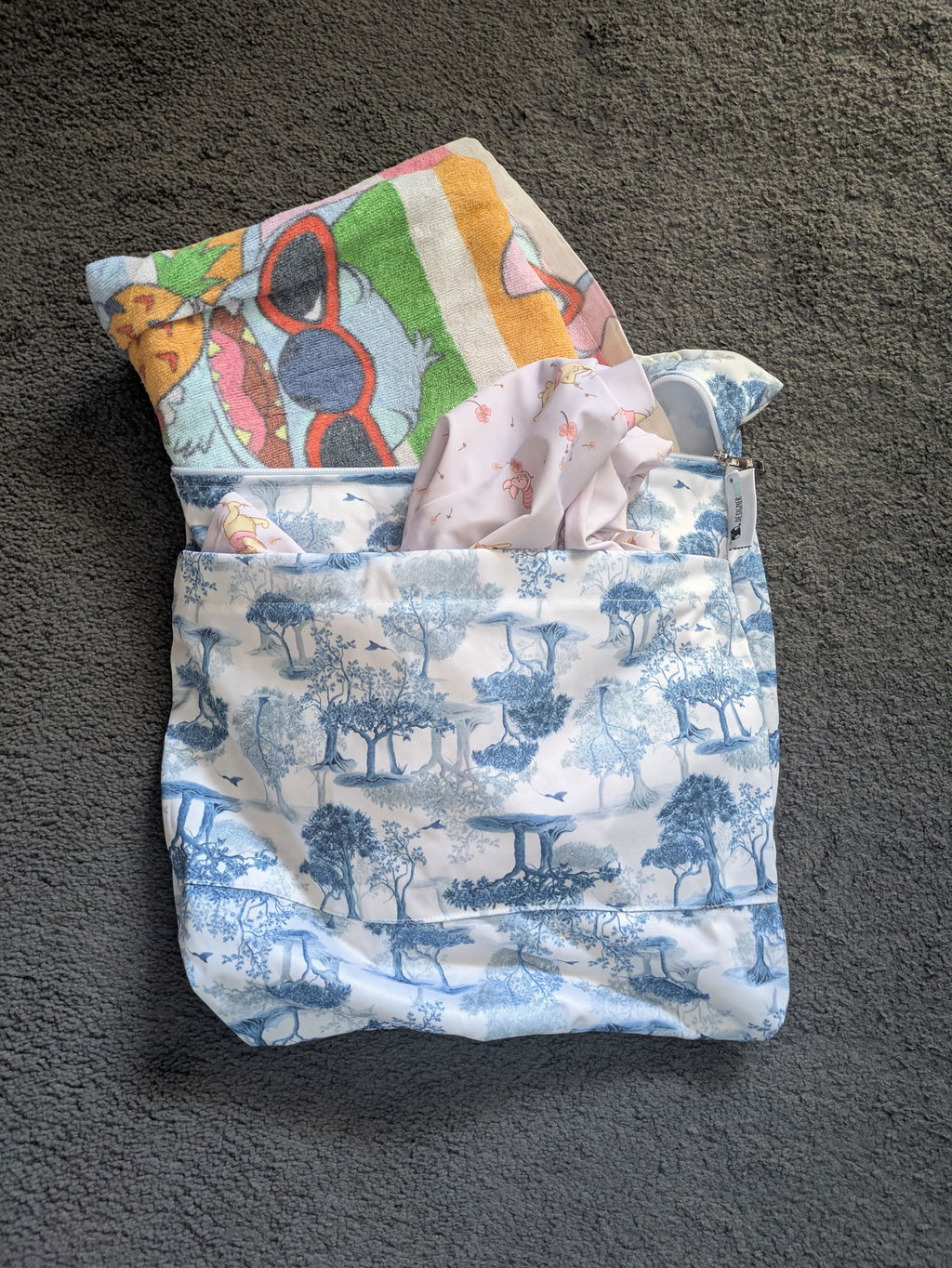
Wet bags
Reusable wet bags support reusable routines by replacing disposable plastic bags for wet and soiled items when out and about.
Why Reusables Work Best as a System
One reusable product helps. A small system delivers greater impact.
For example:
-
Cloth wipes reduce disposable wipe use
-
Wet bags replace disposable plastic storage
-
Reusable cloth pads reduce long-term menstrual waste
-
Reusable nursing pads reduce single-use absorbent waste
This approach keeps sustainability practical, achievable and realistic for families.
In Australia, disposable wipes, period products and nappies create a long-term environmental burden. With 1.5 billion nappies sent to landfill each year¹, wipes contributing heavily to sewer blockages² ³, and lifetime use of thousands of disposable period products⁴, it is clear that everyday products play a major role in household waste.
Reusable alternatives offer one of the most practical ways households can reduce this impact over time. Swaps such as cloth wipes, reusable pads, reusable nursing pads and wet bags can significantly reduce how much single-use waste leaves the home.
Sources
-
CSIRO, New nappy recycling trial launches in Australia (2022)
-
Sydney Water, Wastewater blockages and Toilet Blockers Anonymous campaign materials
- East Gippsland Water, “Flushable” wipes block sewer pipes
-
Clean Up Australia, Change is in the air. Period. (2021)