

Why Cloth Wipes Are More Effective Than Disposable Baby Wipes

Disposable baby wipes are often one of the first products parents add to their shopping list. They seem convenient, widely available and heavily marketed as essential.
However, many families who switch to reusable cloth wipes quickly discover they are not only a more sustainable option, but also more effective, gentler on skin and far more versatile than disposable wipes.
This article explains how cloth wipes work, why they outperform disposable alternatives and how they fit easily into everyday routines.
What Are Cloth Wipes?
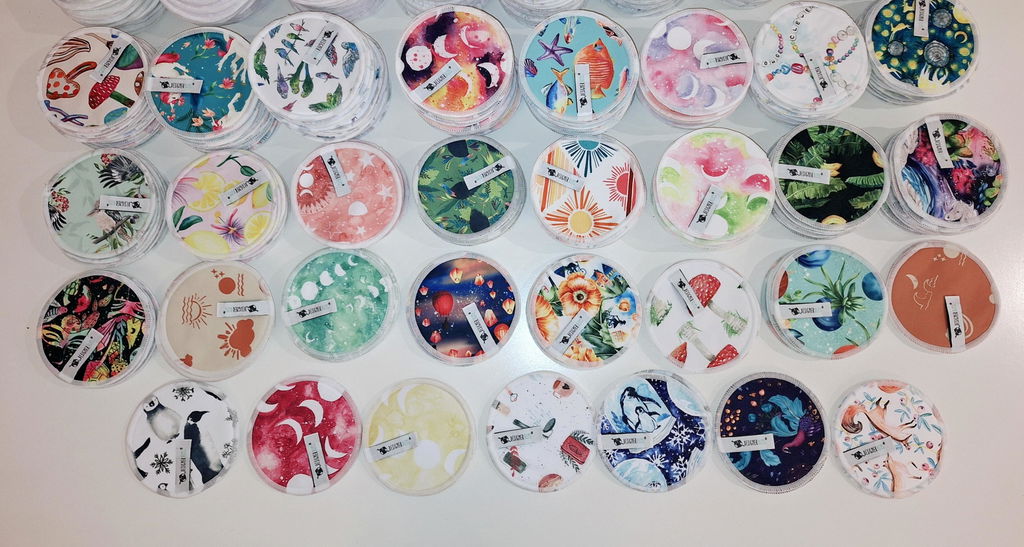
Cloth wipes are reusable fabric wipes designed for cleaning during nappy changes and beyond. Unlike disposable wipes, they are washable, long-lasting and made from natural or blended fibres that are soft on skin.
High-quality cloth wipes are designed to:
-
Absorb moisture effectively
-
Lift mess more efficiently
-
Remain gentle on delicate skin
-
Withstand frequent washing
Once introduced, many families find cloth wipes become an everyday essential.
Why Cloth Wipes Clean More Effectively
One of the biggest differences between cloth wipes and disposable wipes is how they clean.
Cloth wipes:
-
Have more surface texture, helping lift mess rather than smear it
- Absorb liquid instead of pushing it around
-
Often require fewer wipes per change
Many parents find that one cloth wipe can do the job of several disposable wipes, especially for heavier messes.
Gentler on Sensitive Skin
Disposable wipes often contain added ingredients such as preservatives, fragrances or cleansing agents. While many are marketed as gentle, some babies experience irritation or sensitivity with repeated use.
Cloth wipes used with water provide a simpler approach:
-
No added chemicals
-
No fragrances
-
Minimal contact with potential irritants
This makes cloth wipes especially suitable for babies with sensitive skin, eczema or recurring nappy rash.
How Cloth Wipes Fit Into Cloth Nappy Routines
Cloth wipes pair naturally with cloth nappies, but they can also be used independently.
During changes:
- Wipes are used dry or dampened as needed
-
After use, they can be placed directly into a nappy dry pail
-
Wipes are washed along with nappies
Because they follow the same wash routine, cloth wipes do not add complexity to laundry systems.
Everyday Uses Beyond Nappy Changes
One of the reasons families love cloth wipes is their versatility.
Common uses include:
-
Cleaning hands and faces
-
Wiping up spills
-
Gentle makeup removal
-
Breastfeeding and pumping clean-up
-
Pairing with reusable nursing pads for everyday care
Many families keep cloth wipes in multiple rooms or dampened in mini wet bags because they are so useful throughout the day.
Reducing Waste with Cloth Wipes
Disposable baby wipes contribute significantly to household waste. They are single-use and commonly made with synthetic fibres that do not break down easily.
By switching to reusable cloth wipes, families can:
-
Reduce reliance on disposable wipes
-
Cut down on landfill waste
-
Lower ongoing household costs
Cloth wipes are washed and reused hundreds of times, making them a long-term, low-waste solution.
Caring for Cloth Wipes
Cloth wipes are designed to be easy to care for.
For best results:
-
Store used wipes in a dry pail
-
Wash with cloth nappies note or similar items
- Use an appropriate detergent
-
Dry fully between uses
Over time, cloth wipes often become softer and more absorbent with repeated washing.
Why Families Make the Switch
Families who switch to cloth wipes often cite:
-
Improved cleaning effectiveness
-
Reduced skin irritation
-
Fewer wipes needed per change
-
Less household waste
-
Lower long-term costs
What begins as a sustainable choice often becomes a practical one too.
Cloth wipes offer a simple, effective and sustainable alternative to disposable baby wipes. They clean better, feel gentler on skin and integrate easily into everyday routines.
For families looking to reduce waste without adding complexity, reusable cloth wipes are one of the easiest and most impactful changes to make.