

Why Durability Matters in Sustainable Parenting and Reusable Products

Sustainable parenting is often associated with choosing reusable products, but reusability alone is not what makes a product truly sustainable. Durability plays a far more important role.
A reusable product that wears out quickly, loses function or needs frequent replacement may still contribute to waste and resource use. In contrast, products designed to last support sustainability through longevity, reliability and consistent performance over time.
This article explores why durability matters in sustainable parenting and how long-lasting reusable products support both environmental responsibility and everyday family life.
Durability Is the Foundation of Sustainability
Sustainability is not just about avoiding single-use items. It is about reducing how often products need to be replaced.
Durable products:
- Stay in use for longer
- Require fewer replacements
- Reduce overall material consumption
- Lower manufacturing and transport demand over time
When products are designed to last, their environmental footprint is spread across many years of use rather than a short lifecycle.
Why Short Product Lifespans Undermine Sustainability
Not all reusable products are created with longevity in mind. Some are made with lower-quality materials or construction methods that cannot withstand frequent use and washing.
When reusable products fail early, families may need to:
- Replace them sooner than expected
- Purchase multiple versions of the same item
- Dispose of products that were intended to reduce waste
This cycle undermines the purpose of choosing reusable products in the first place.
Durability and Real Family Life
Parenting products are used frequently and often under less-than-ideal conditions. They are washed repeatedly, packed into bags, exposed to spills, moisture and movement, and relied on day after day.
Durable reusable products are designed with this reality in mind. They are made to:
- Hold their shape after repeated washing
- Maintain function over time
- Withstand regular handling and storage
- Perform consistently in everyday routines
Products that last support confidence and consistency, which makes sustainable choices easier to maintain.
The Link Between Durability and Waste Reduction
Waste reduction is not just about what we throw away today. It is also about how often we need to buy replacements.
Durable products help reduce waste by:
- Lowering the volume of discarded items
- Reducing packaging waste from repeat purchases
- Decreasing the demand for ongoing production
Over time, one long-lasting product can replace many short-lived alternatives.
Cost Per Use and Long-Term Value
Durability also plays a significant role in long-term value.
While durable reusable products may cost more upfront, they often deliver better value because:
- They are used for longer periods
- They maintain performance over time
- They reduce the need for replacement
When cost is considered across months or years of use, durable products often prove more economical than cheaper alternatives that wear out quickly.
Durability Across Reusable Product Categories
Durability matters across all reusable product types, not just nappies.
It applies equally to:
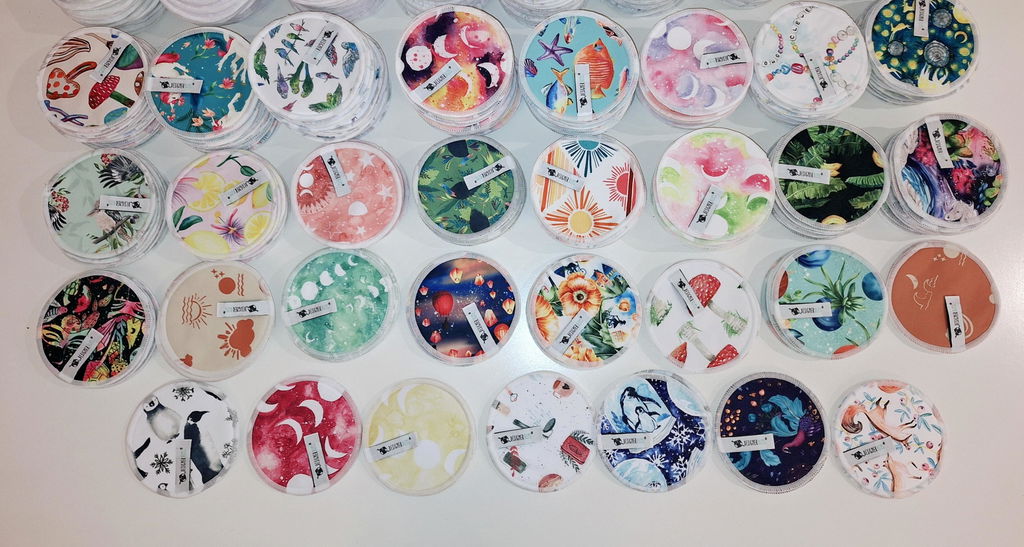
- Cloth wipes that are washed and reused daily
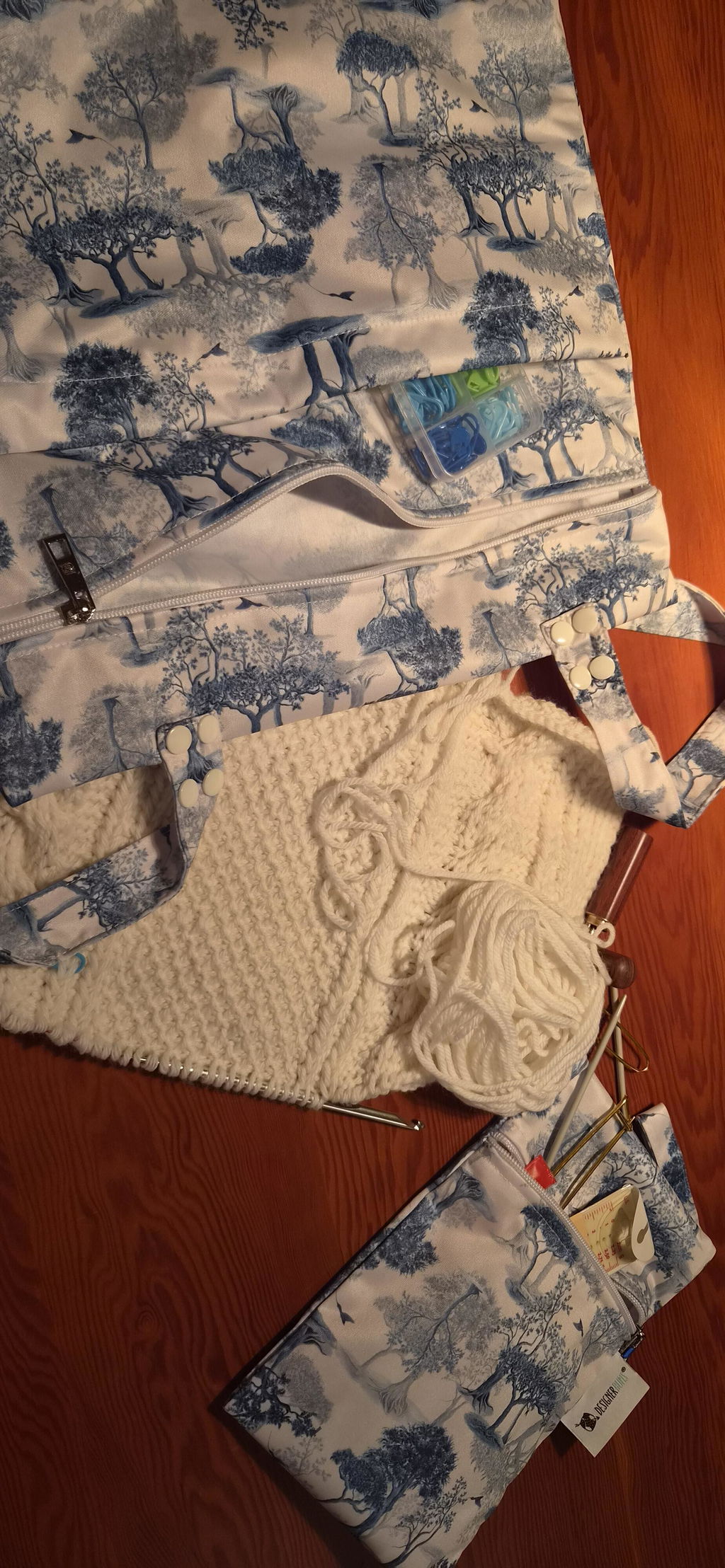
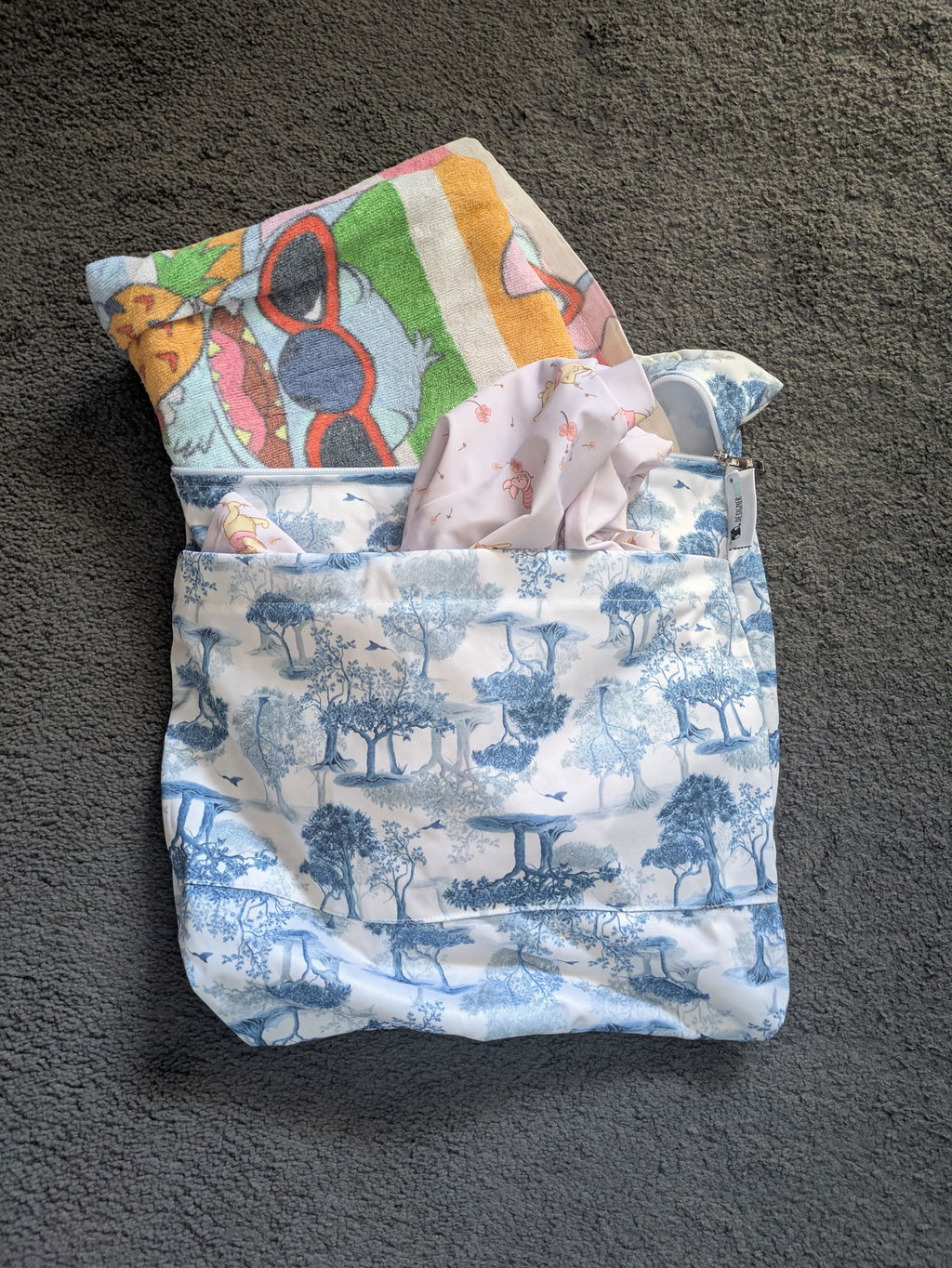
- Wet bags that contain moisture and movement
- Reusable cloth pads used across many cycles
- Bedding, blankets and accessories that experience frequent laundering
In each case, product lifespan directly influences environmental impact and overall value.
How to Recognise Durable Reusable Products
Durability is not always obvious at first glance, but there are signs to look for.
Durable reusable products are often:
- Made from high-quality materials
- Designed for frequent washing and use
- Supported by clear care guidance
- Constructed with reinforced seams and finishes
Choosing products designed with longevity in mind supports both sustainability goals and everyday practicality.
Durability Supports Sustainable Habits
Sustainable choices are easier to maintain when products work well over time.
Durable products:
- Reduce frustration caused by early failure
- Support routine use without special handling
- Build trust in reusable systems
When products last, families are more likely to continue using them, reinforcing long-term sustainability habits.
Durability is one of the most important factors in sustainable parenting. Reusable products only deliver real environmental benefits when they are designed to last and perform consistently over time.
By choosing durable reusable products, families reduce waste, minimise resource use and support a more sustainable approach to everyday life. Longevity is what turns a reusable product into a truly sustainable one.