

Reusable Period Products Explained: How Cloth Pads Work and Who They’re For

Reusable period products have moved from niche to mainstream in Australia. More people are looking for lower-waste options that still feel comfortable, reliable and easy to manage in real life.
Cloth pads are one of the simplest reusable swaps because they work in a familiar way, just without the single-use waste. This guide explains how reusable cloth pads work, who they’re suited to, and how to care for them confidently.
The Australian Impact: Why Reusables Matter
Disposable period products create a long-term waste stream because they are used monthly for decades and are typically made with plastic components.
Australian fast facts
- Clean Up Australia estimates a single menstruator uses 5,000 to 15,000 disposable pads and tampons over a lifetime.¹
- Clean Up Australia states 90% of conventional pads contain plastic, and in landfill these products may take 300 to 500 years to decompose.¹
- Australian low-waste period product reporting estimates around 300 million tampons and 500 million disposable pads are sold in Australia each year.²
These figures help explain why reusable period products are gaining traction. Reducing even part of this waste stream can have a meaningful long-term impact.
What Are Reusable Cloth Pads?
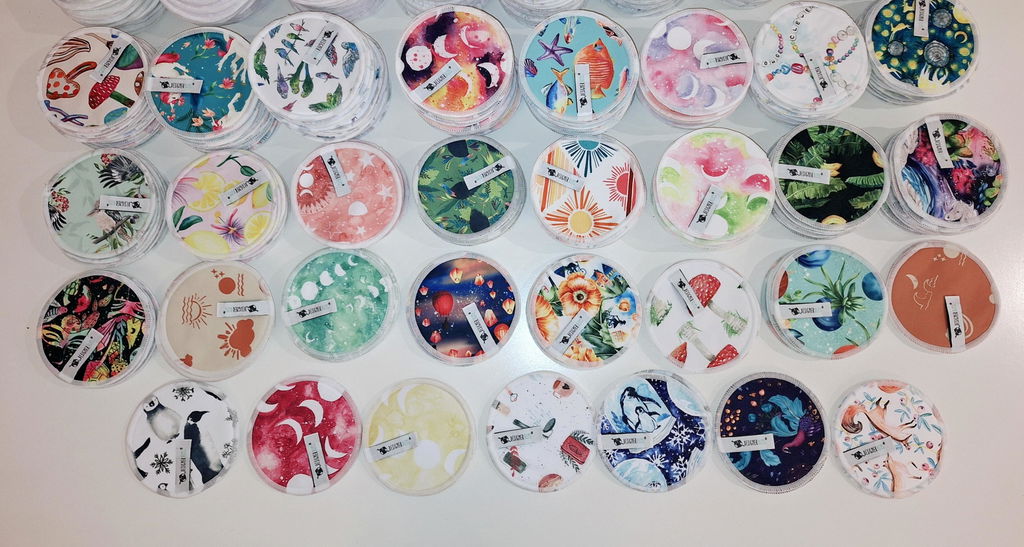
Reusable cloth pads are washable alternatives to disposable pads. They are worn in underwear in a similar way, but instead of adhesive backing, they use wings with snap fasteners to stay securely in place.
They are designed to be:
- Breathable and comfortable
- Absorbent for different flow levels
- Washable and reusable for years with proper care
How Cloth Pads Work
How to wear a cloth pad
Designer Bums cloth pads are designed to be simple and intuitive:
- Place the pad in your underwear with the printed fabric side down and the black organic cotton side up.
- Wrap the wings around the gusset of your underwear.
- Snap the studs closed using one of the two settings for a secure fit.
What makes them absorbent
Absorbency comes from multiple layers of fabric designed to hold fluid, combined with a water-resistant backing to support leak protection.
Designer Bums Reusable Cloth Pads feature layers of GOTS certified organic cotton, manufactured to OEKO-TEX Standard 100, and are backed with signature printed PUL that is water-resistant, breathable and washable.
Designer Bums Cloth Pad Sizes and What They’re Best For
Choosing the right size helps maximise comfort and performance. Designer Bums offers four sizes to suit different flow levels and uses.
Liner / Light Flow
- 2 layers of organic cotton absorbency
- Length: 20 cm
- Width (wing to wing): 21 cm
Best for light flow, spotting, daily liner use or backup protection.
Medium Flow
- 3 layers of organic cotton absorbency
- Length: 30 cm
- Width (wing to wing): 24 cm
Best for moderate flow days.
Heavy Flow
- 4 layers of organic cotton absorbency
- Length: 33 cm
- Width (wing to wing): 25 cm
Best for heavier flow or longer wear.
Ultra Heavy Flow / Postpartum
- 5 layers of organic cotton absorbency
- Length: 37 cm
- Width (wing to wing): 27 cm
Best for very heavy flow, postpartum bleeding or extra reassurance.
How Cloth Pads Compare to Other Reusable Period Products
Reusable period products come in several forms, including cloth pads, period underwear and menstrual cups. While all aim to reduce single-use waste, they function very differently and suit different needs and life stages.
Cloth pads sit externally in underwear and absorb fluid rather than collecting it internally. This makes them one of the easiest reusable options to transition to, particularly for those who prefer not to use internal products. They also allow users to visually monitor flow, which can be helpful for postpartum recovery, cycle tracking or changing flow patterns.
Period underwear has absorbency built directly into the garment. While convenient for some, it often requires changing the entire pair of underwear once saturated, which may not suit everyone during long days, heavier flow or extended time away from home.
Menstrual cups are internal devices designed to collect fluid rather than absorb it. While they can be a good option for some people, they are not suitable for everyone. Comfort with internal products, anatomy, pelvic floor considerations, postpartum recovery and personal preference all play a role.
For many people, cloth pads offer a balance of familiarity, flexibility and control, while still delivering meaningful waste reduction over time.
How to Store Cloth Pads When You’re Out and About
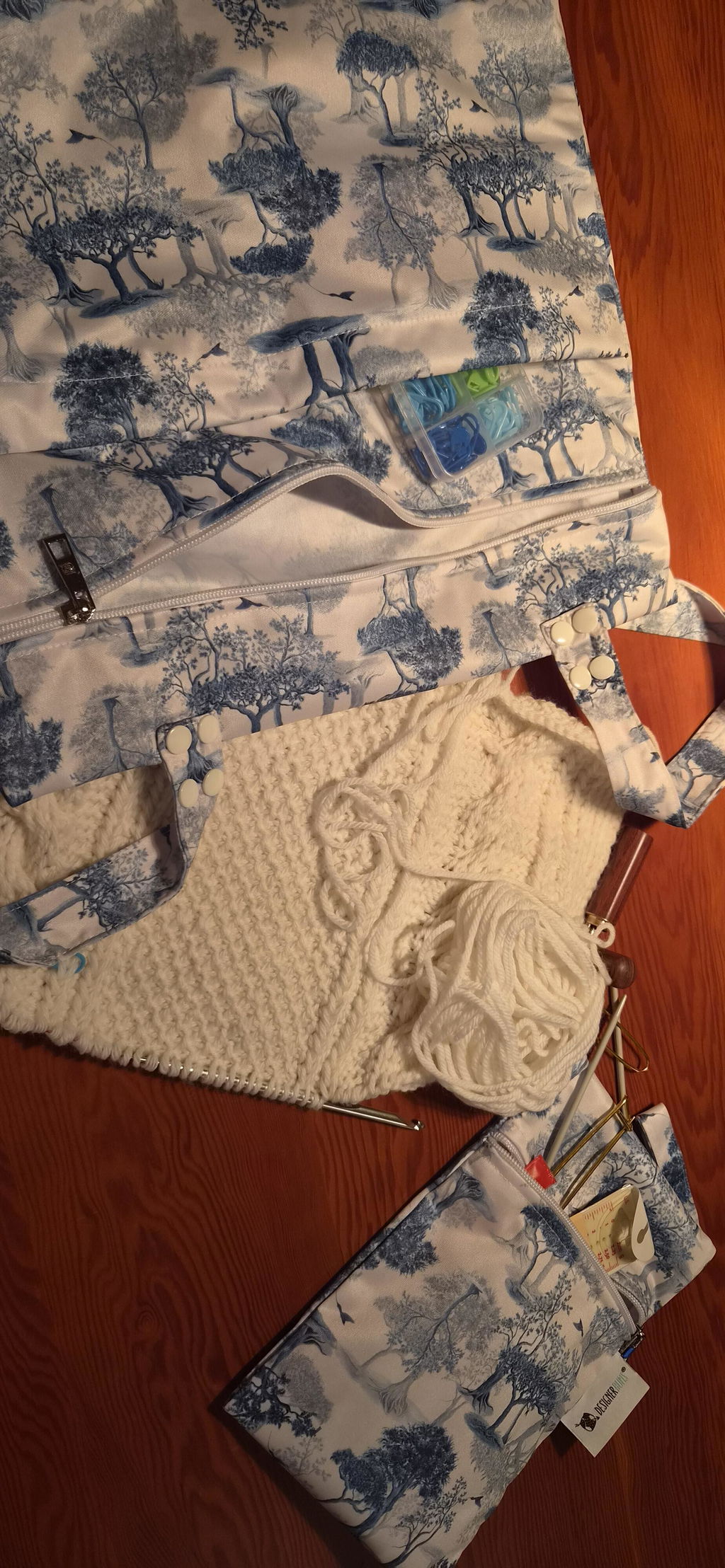
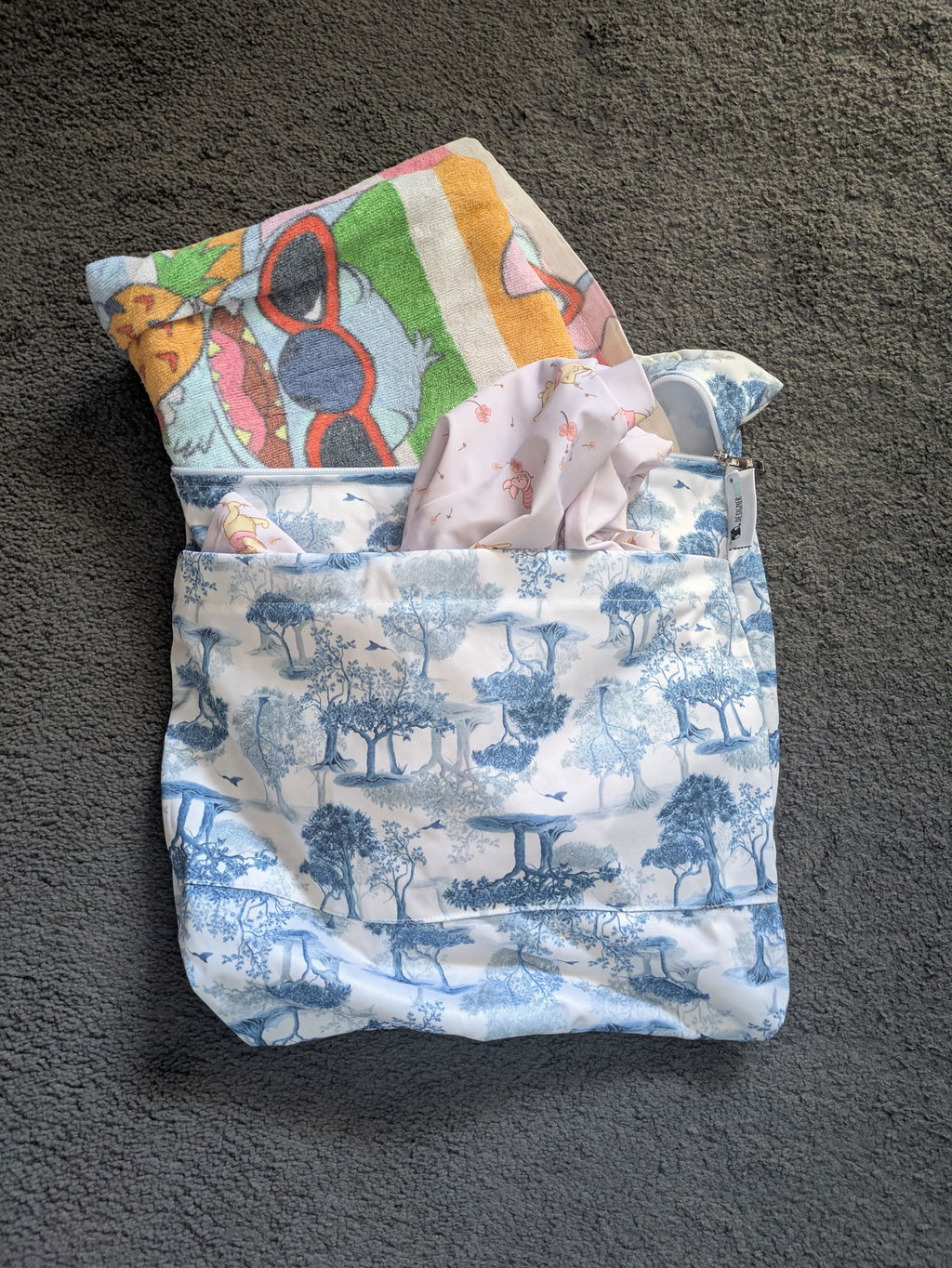
When changing away from home, the simplest option is a water-resistant wet bag.
Used cloth pads can be folded and placed into a mini wet bag until you return home, keeping everything discreet and contained.
How to Wash and Care for Cloth Pads
Cloth pads are designed to be washed and reused as part of a normal laundry routine.
Step 1: After changing
If possible, rinse the pad in cold water until the water runs clearer. Cold water helps reduce staining. If you are out, store the used pad in a wet bag until you get home.
Step 2: Store until wash day
Store pads in a dry container or airy basket until wash day. If you prefer, you can do a quick rinse first and then store them dry.
Step 3: Machine wash
Wash pads in a normal warm wash with a good quality detergent. Avoid fabric softeners, as they can reduce absorbency over time. Many households wash cloth pads with regular laundry.
Step 4: Drying
Line dry when possible. Tumble drying may be used on low depending on your routine and preferences. Always follow the care advice provided with your product.
Common Questions About Cloth Pads
Are cloth pads hygienic?
Yes. When washed properly, cloth pads are a hygienic option. Consistent washing and thorough drying are key.
Do cloth pads leak?
Choosing the right size for your flow and changing as needed helps prevent leaks.
Are cloth pads bulky?
Cloth pads vary by size and absorbency. Many people find them comfortable once they find the right size and thickness for their needs.
Cloth pads are a practical reusable period product that helps reduce single-use waste while supporting comfort and everyday routines. With Australian data showing lifetime use in the thousands and products containing plastics that persist for centuries in landfill, reusable options are a meaningful step toward lower-waste living.¹ ²
Starting small, with one or two pads in the size that suits your most common flow days, is often the easiest way to build confidence and see what works best for you.
Sources
- Clean Up Australia, Change is in the air. Period. (2021)
- Rethink Waste Tasmania, Low Waste Period Products Fact Sheet